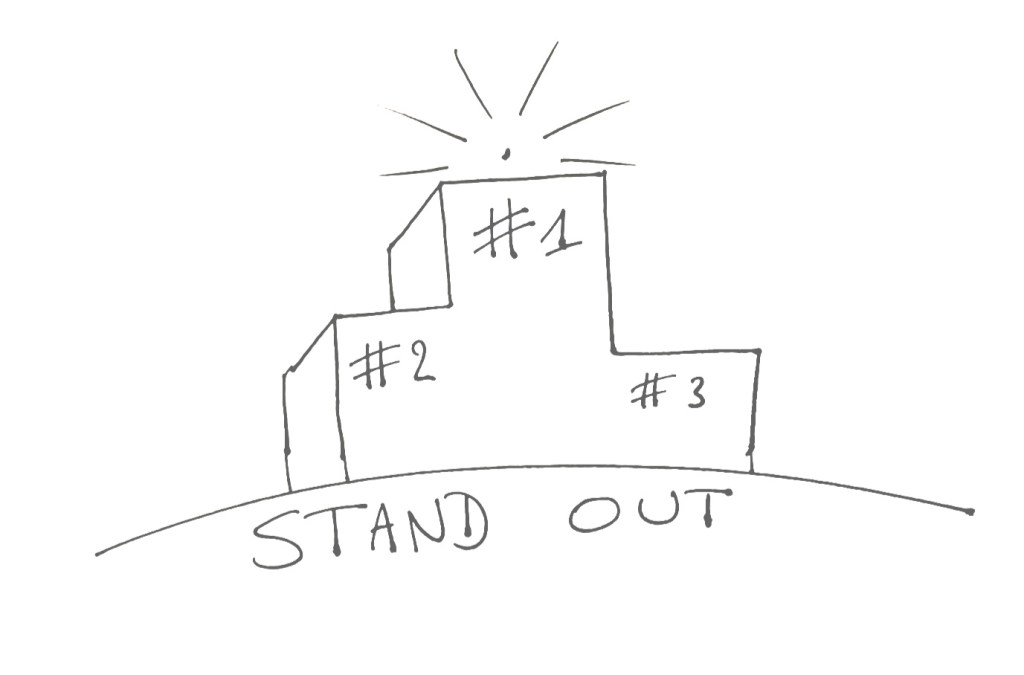
In today’s world, being competitive and embracing uniqueness go hand in hand. Our society values exceptional individuals, but what does it mean to be exceptional? And more importantly, how can you become exceptional?
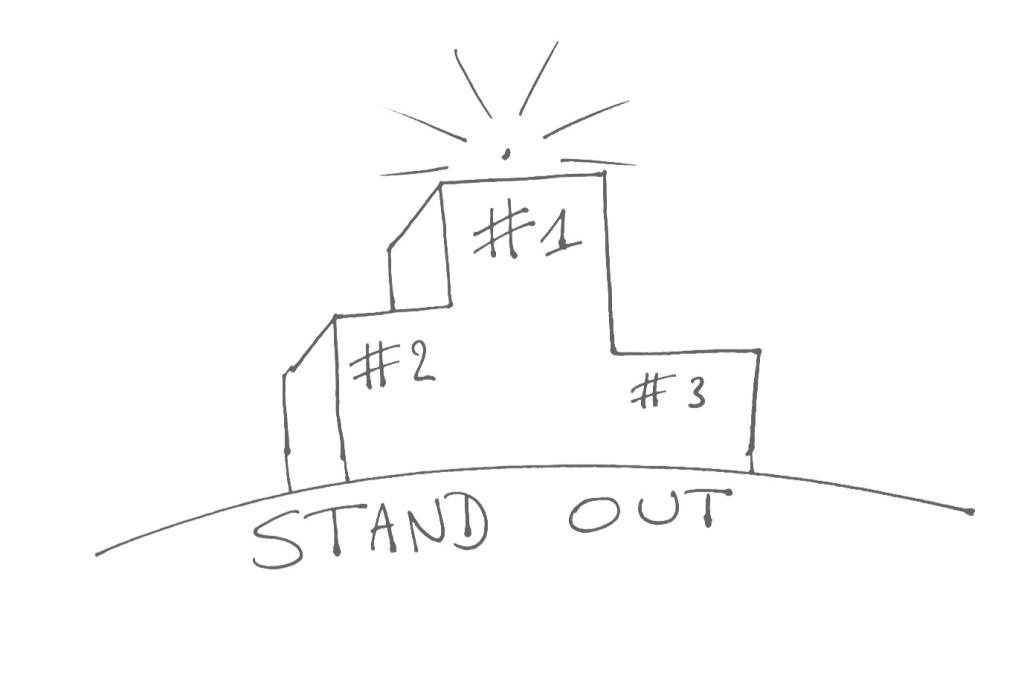
Let’s start by debunking a common misconception. According to the U.S. Census Bureau, 53% of 18-24 year olds in 2022 held a college education. While obtaining a college degree is undoubtedly important, it’s no longer enough to make you stand out from the crowd. Your GPA and being at the top of your class might seem impressive, but when you consider the number of valedictorians across the thousands of colleges in the U.S., it’s clear that more is required to truly differentiate yourself.
In 2022 53% of 18-24 year olds in the U.S. held a college education.
U.S. Census Bureau
Playing the game as prescribed, competing where you’re expected to, and excelling within the standard framework won’t necessarily lead to the rewards you desire. It may even drain your energy without offering significant returns. If you’re like me, you want to invest your energy in endeavors that provide substantial benefits.
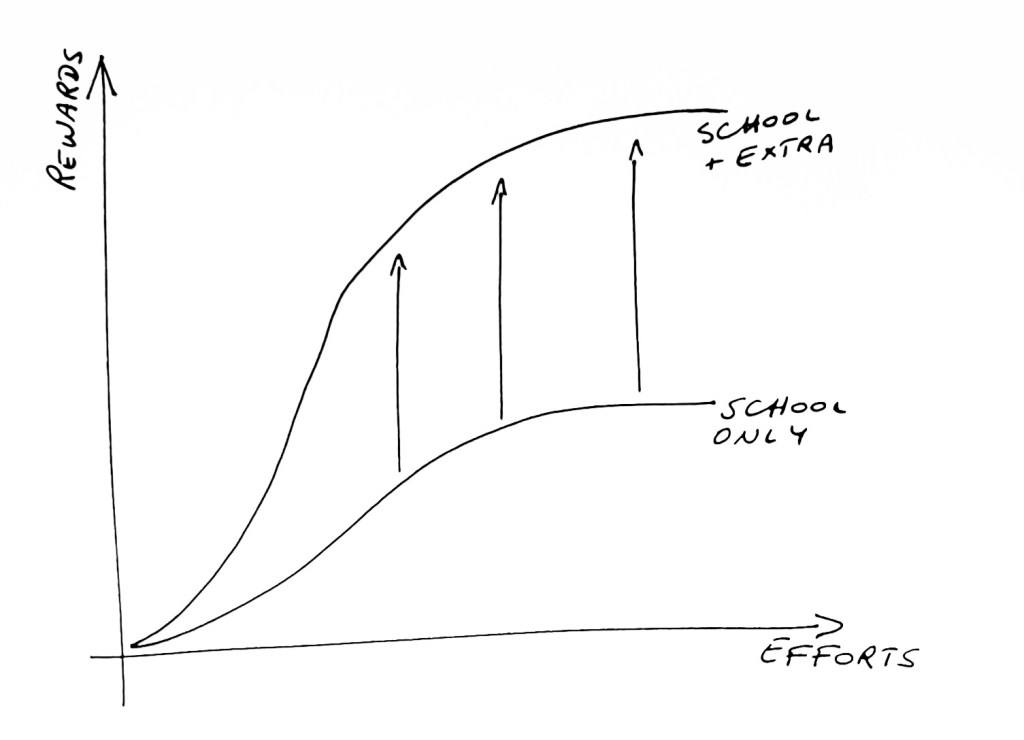
Now, let me clarify. Completing your college degree and giving it a solid effort are still crucial steps. However, your college degree is merely the foundation upon which you must build to stand out. Think of it like constructing a house – you don’t stop at the foundation unless you want to live in a hole.
Two paths: specialization and diversification
There are two paths forward, and they are not mutually exclusive. In fact, pursuing both will enhance your chances of success. These paths are specialization and diversification.
Specialization involves focusing on a subset of your chosen field and delving deeper than what is typically offered in a college curriculum. Most professional associations provide continuing education courses that offer highly relevant content tailored to the current industry and job market. Few of your peers are likely to explore these opportunities. Alternatively, you can work on relevant projects independently, gaining unique experiences that your friends and classmates don’t have.
On the other hand, diversification entails venturing outside of your field and acquiring expertise in areas unrelated to your primary focus. For example, if you’re a medical student, why not take a class in accounting? The possibilities are vast. By expanding your knowledge and experiences, you can create a customized education that reflects your interests rather than adhering to a one-size-fits-all syllabus.
As seen earlier, standing out becomes increasingly challenging when you’re competing with everyone else who has pursued a college education. However, when you choose specialization and diversification, you exit the realm of direct competition. No longer are you trying to outdo your peers. Instead, you carve a unique path for yourself that opens doors to winning opportunities.
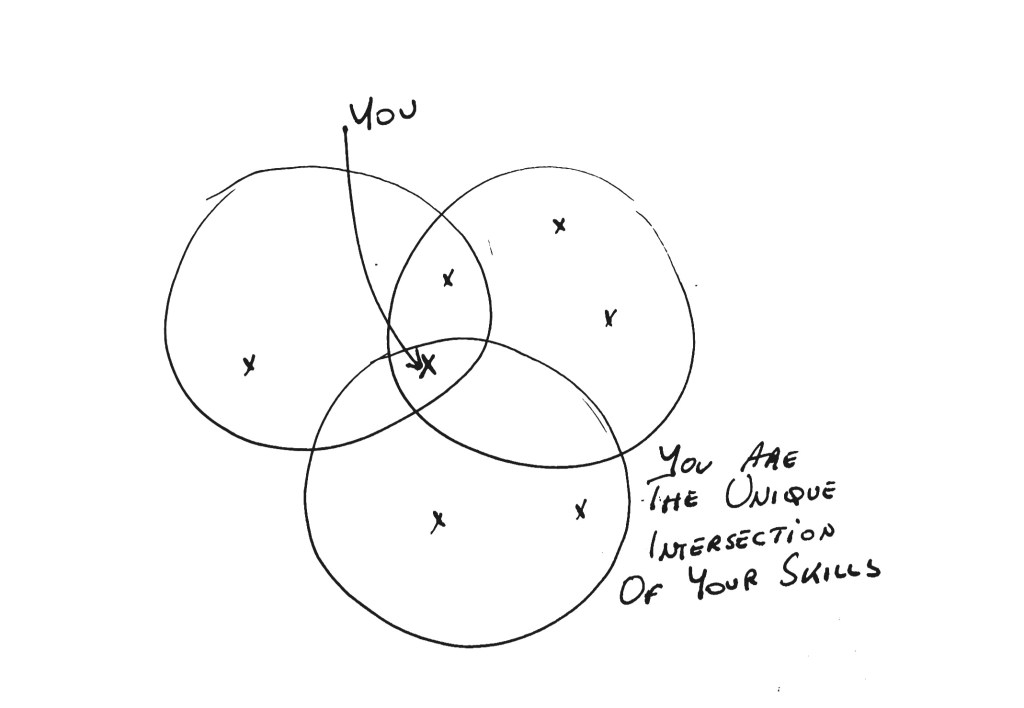
So, if you’re determined to stand out in today’s competitive world, remember that a college degree is merely the starting point. It’s what you build upon that foundation that truly sets you apart. Embrace specialization to deepen your knowledge and expertise within your field, while also exploring diversification to broaden your horizons and gain expertise outside of your core area. By pursuing both paths, you position yourself to excel and become the exceptional individual that our society values.
 After Class
Leave a comment